But each business already had an advantage their competitors couldn't easily copy.
The challenge was making sure people could see it, feel it, remember it—or in one case, realize they had another option.
A squirrel.
A trusted business owner.
A neurotic talking car.
An unknown brand.
A frustrated industry.
Sounds a little odd when you put it that way.
But each one became a different way to make something valuable more visible—or turn what was recognized into a new market opportunity.
01
Making Hospitality Visible
This RV park was already known by regulars for its warm, personalized service.
The problem was that new visitors couldn't see it.
I know because I was a guest there first.
Poor reviews.
An outdated website.
Faded signage.
It didn’t take me long to figure out that none of those matched the in-person experience.
The warmth was real. The small-town helpfulness was too.
It just wasn't visible from the outside.
I wanted to make the park's personality visible to people who had never been there before.
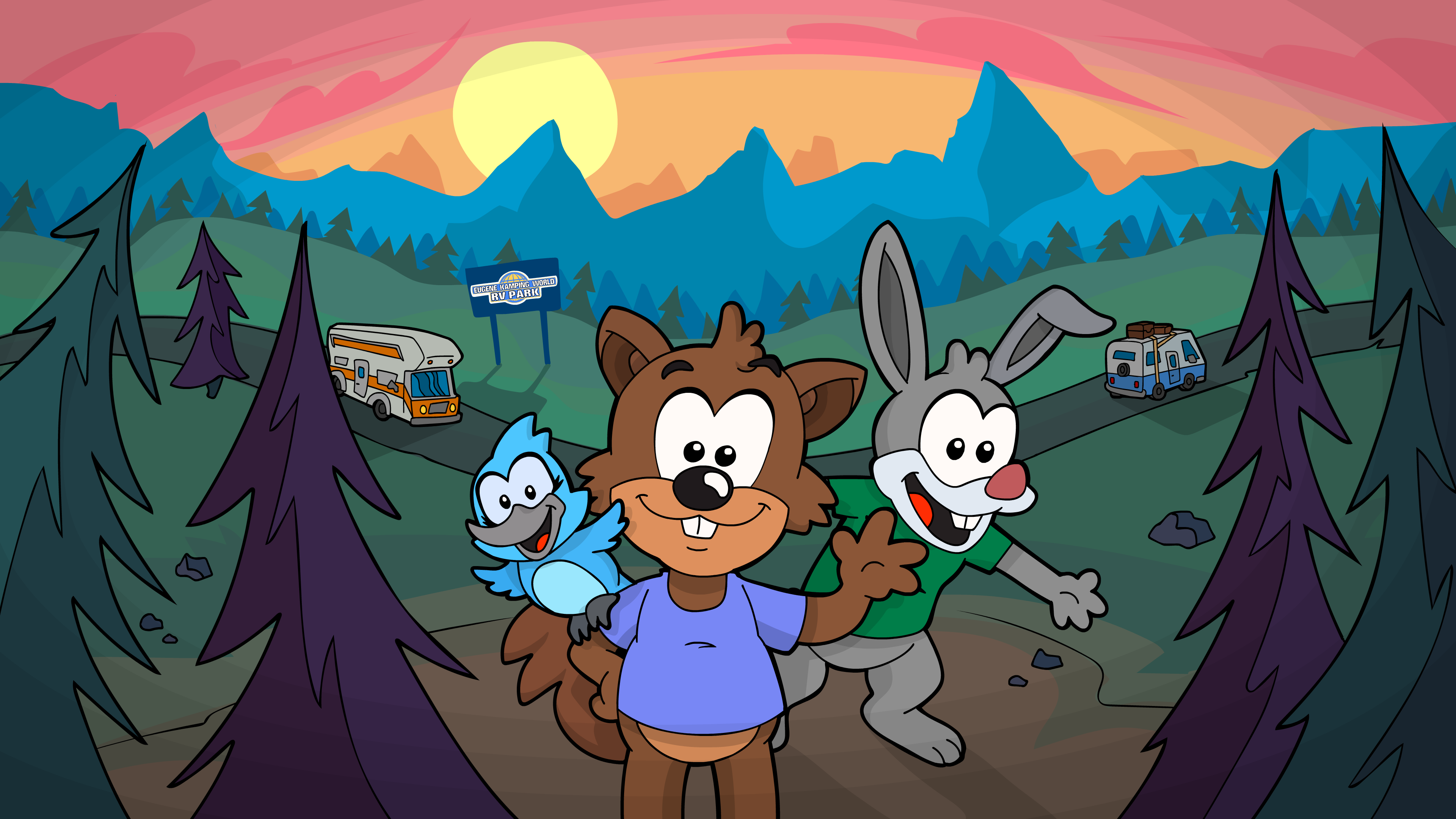
So I created Sonny, a cute, spunky little squirrel. Why a squirrel? Because squirrels were already there, and so were bunnies and scrub jays. That’s why I added Blu and Bop later on.
Nine years later, Sonny and his friends are still welcoming guests and representing what makes the park special.
They became the face of what was there all along.
02
Keeping The Relationship Warm
During Covid, calls slowed down for this home services business.
People were hesitant to invite contractors into their homes.
New business became harder to come by.
Most companies responded by trying to generate more buzz.
I thought we should take a different approach.
Andy already had something many businesses spend years trying to earn.
Trust.
Customers knew him—and they liked him.
He was warm, funny and he treated each customer like they were the only one.
Plus, he already had a large email list.
People still needed their roofs and gutters cleaned.
Their windows washed.
Their decks and driveways pressure washed.
And lots of people were working from home.
So, the opportunity wasn't to chase strangers.
It was to bring Andy’s customers closer.
So I ghostwrote a weekly email, week after week, for over two years.
More than half the audience became regular readers.
Some even stopped Andy in public to tell him how much they appreciated his emails.
When things got back to normal, people remembered who kept in touch when they needed a friendly voice.
Here's how Andy introduced a fall maintenance checklist:
From the weekly email series
“Sorry I was MIA last week. I’ve been busier than an aardvark at a termite convention.
...
With the rains already teasing us, if you haven’t cleared your gutters yet, I suggest that you make it a priority. No scare tactics intended. Just trying to keep it real.
If you’re comfortable hopping on a ladder to do a visual inspection of your roof and gutters, then you’ll know where you stand. Obviously, old debris plus new debris is a headache in the making…and potential pain in your wallet.
It only takes a few minutes to check things out. Then you’ll know what to do next. Of course, if you’d like a hand, we’re here for you.
Either way, it’s worth the peace of mind, so you can enjoy the soothing sounds of rain and a hot cup of goodness.”
The lesson wasn't that email marketing works.
It was that trust already existed and I found a way for it to show up.
03
Choosing Local Over National
Like most small insurance agencies, Ken was competing against corporate giants with the advertising budgets the size of a small country’s GDP.
At renewal time, Geico, Progressive, and the other giants dominated the airwaves.
They got the attention.
They got the calls.
So, it wasn't just a matter of offering better service.
It was getting people to notice the difference.
Because Ken had something they didn't.
He was local.
He knew the roads.
The weather.
The worries.
The people.
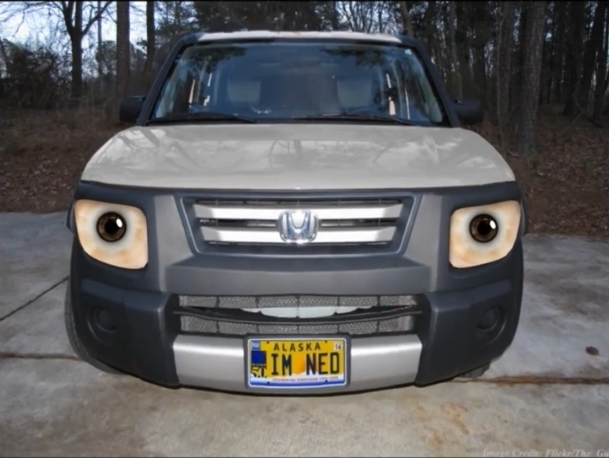
So instead of another insurance pitch, I created Ned.
A neurotic talking car who worried about the things Alaskan drivers cared about—only louder.
Ned gave Ken something he didn't have before.
Relatability.
Personality.
And a reason to laugh.
Here's how Ned explained the value of insurance:
Ned speaks
“Hi, I'm Ned.
My friends say I worry too much.
Hey, can I help it if the world is a dangerous, filthy place?
Have you SEEN what happens when a Subaru tangles with a moose?
...
The best thing my owner ever did for me was calling Ken at Capital Insurance.
Oh, he put me right at ease.
And believe me, that's not easy to do.”
Different budget.
Different approach.
Same goal.
To give people a reason to remember the local guy.
04
Breaking Through Anonymity
Most contractors already had zone valve brands they knew and trusted. Honeywell. TACO. The familiar names had decades of recognition and field testing behind them.
This company was entering the North American market as an unknown brand in a category that doesn't exactly inspire excitement.
Nobody wakes up eager to shop for zone valves.
That reality became the opportunity.
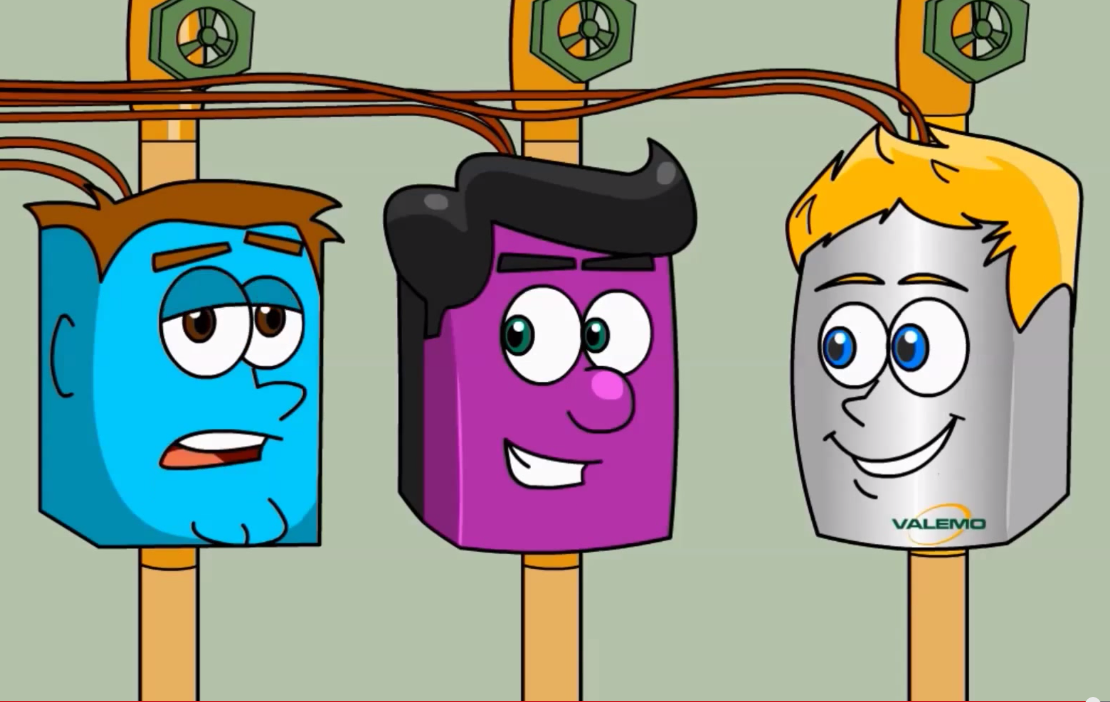
Instead of trying to sound bigger, louder, or more established than they were, I introduced the humanity behind the company.
The website opened with humor. The brochures used plain language. A mascot gave a technical product a recognizable face. Everything worked together to make an unfamiliar company feel approachable.
The goal wasn't to manufacture trust.
It was to make the introduction easier so trust could be earned.
To acknowledge that people were being asked to consider a company they’d never heard of and give them a clear sense of who they were dealing with.
The original homepage began with a simple admission:
"You may not recognize the Valemo name. And for good reason... we're the new kid on the block."
That honesty mattered.
Because people don't just evaluate products. They evaluate the people behind them.
The lesson wasn't about zone valves.
It was about recognition.
Sometimes the challenge isn't helping people remember you.
Sometimes it's helping them meet you for the first time.
05
Following The Frustration
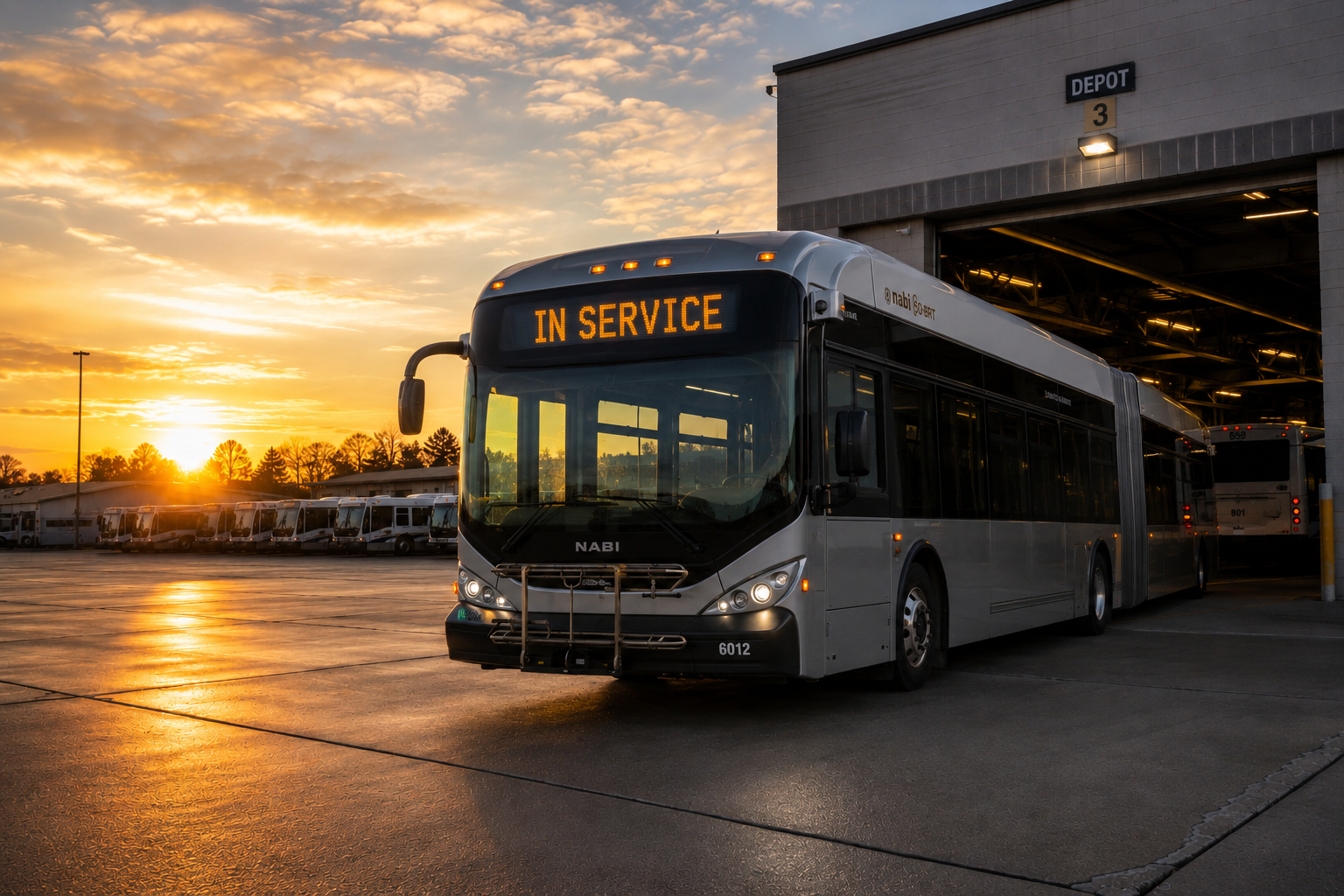
Transit agencies and motorcoach operators had a problem.
Actually, they had several.
When they needed windshields for certain models, they were stuck with high prices, long waits, full crate buys, and breakage during shipping. Some were forced to buy heated windshields they didn't need. Most waited for glass to arrive from the other side of the country, hoping it wouldn't show up broken.
The people who kept their buses running were frustrated, but their hands were tied. So, they chalked it up as normal.
I entered the picture at the right time, listened and took notes.
General managers. Parts managers. Service managers.
The conversations kept leading somewhere.
One operator would tell me about a windshield problem. Another asked if we could fix fogged side windows on a Van Hool. A transit agency would share part numbers and vehicle information. A service manager would introduce me to someone facing a similar challenge.
The more I listened, the more I realized the frustration wasn't limited to a handful of vehicles. The same problems kept showing up.
One solution led to another.
One relationship led to another.
One opportunity led to another.
As new solutions became available, operators started sharing them with each another.
Service managers passed along names.
Transit agencies shared applications and part numbers.
Some agencies belonged to larger operating groups and had the freedom to source parts locally. Once word got around, corporate offices started calling too, referring other properties facing the same challenges.
Before long, operators started placing mixed orders across different makes and models, adding side glass, door glass, and everything else that was a thorn in their side. It almost became too much to handle.
Why? Because when somebody finally takes the time to listen and care enough to find ways to help, the entire landscape changes.
The lesson wasn't about glass.
It was that recognition opens doors that transactions rarely do.
What They Have In Common
The circumstances were different.
The challenges were different.
The solutions were different.
But each business had something important that wasn't being fully recognized.
Sometimes it was trust.
Sometimes it was personality.
Sometimes it was an opportunity hidden inside a conversation.
The common thread wasn't the tactic.
It was paying attention.
Looking closely enough to recognize what others overlooked.
Then finding a way to bring it out.
Sound familiar?
If something here reminded you of your own situation, that's probably not a coincidence.